


X-ray fluorescence spectrometry is a relative analytical technique. Standard samples and test specimens must possess similar chemical compositions and identical physical structures. Reproducible operations for both standard and test sample preparation procedures are essential to guarantee reliable analytical results. In some cases, uncertainties introduced by sampling and sample preparation far outweigh uncertainties from instrumental detection, making sample preparation one of the primary sources of analytical error. Therefore, proper sampling and sample pretreatment are critically important.
The purpose of sample preparation in XRF analysis is to process raw specimens into homogeneous, flat, representative, standard-sized samples that can be directly loaded into the instrument for measurement.
Based on their original physical state, samples are categorized into solids, powders and liquids, each requiring distinct pretreatment methods.
I. Pellet Pressing Sample Preparation
1. Sample Preparation Workflow
Powder pellet pressing is a widely adopted sample preparation method for XRF analysis. The general procedure is as follows: crush raw samples, dry them, grind to a specific particle size with grinding equipment, and finally compress into stable circular pellets using a pellet press.
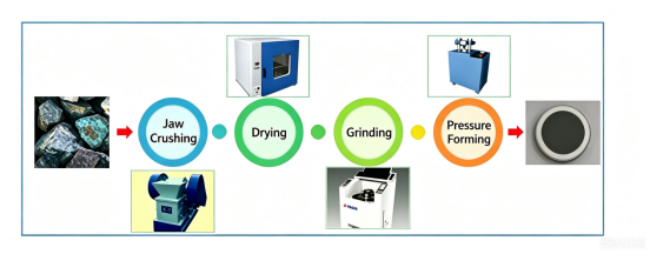
2. Sample Grinding
Small crushed fragments from jaw crushing are processed into fine powder via a vibratory grinding mill to achieve suitable particle size.
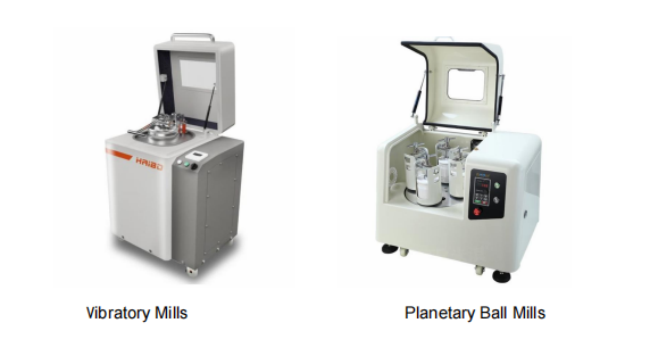
2.1 Grinding Equipment
Two common grinding devices are vibratory mills and planetary ball mills. Both can pulverize samples into fine powder but are applied in different industries. Vibratory mills are classified by single-batch sample mass, including 300 g, 200 g, 100 g, 50 g and 10 g models, with variants capable of processing 1, 2 or 3 samples per run.
2.2 Grinding Jars
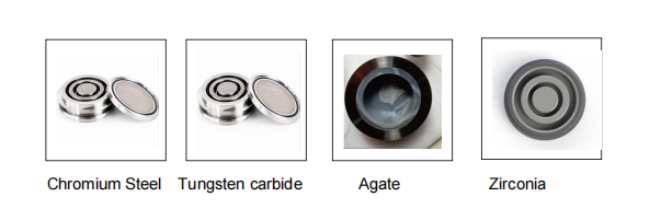
Selection of appropriate grinding jar vessels is vital for crushing and grinding, especially for trace element analysis. Common jar materials and their interfering elements are listed below:
· Hard chromium steel: interferes with Fe, Cr, Ni, Mn, Si
· Tungsten carbide: interferes with W, Co
· Agate: interferes with Si
· Zirconia: interferes with Zr
· Hot-pressed sintered corundum: interferes with Al
3. Sample Pellet Compression
Fully ground fine powder is pressed into qualified test pellets with a pellet press.
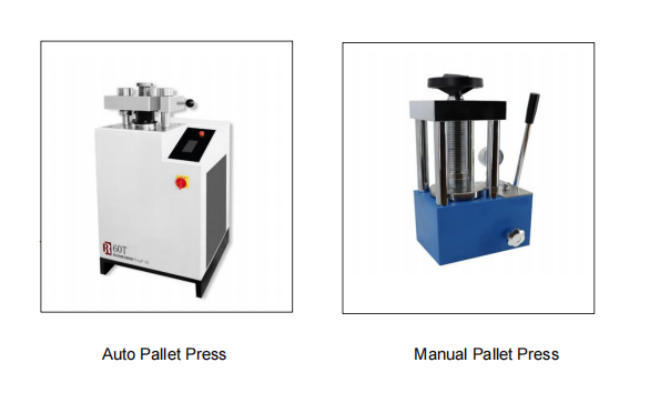
3.1 Pellet Presses
Pellet presses are divided into automatic and manual types. Manual pressing is labor-intensive, while automatic presses allow preset pressure and dwell time, ensuring consistent pellet quality with higher efficiency and wider application.
Two key factors for press selection: maximum working pressure (≥30 tons to provide safety margin) and pellet molds (boric acid molds are commonly used).
3.2 Finished Pellet Samples
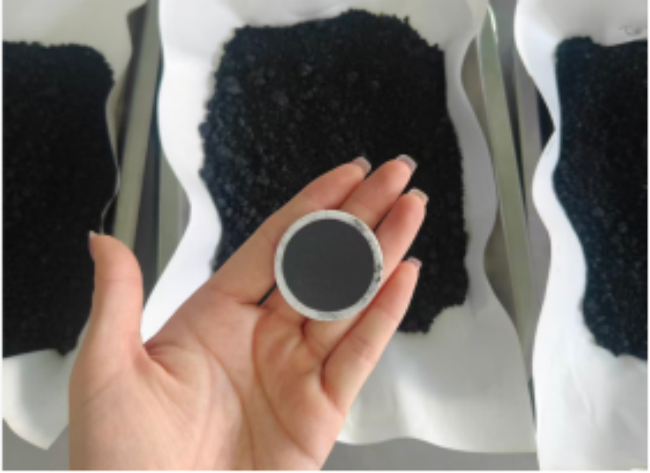
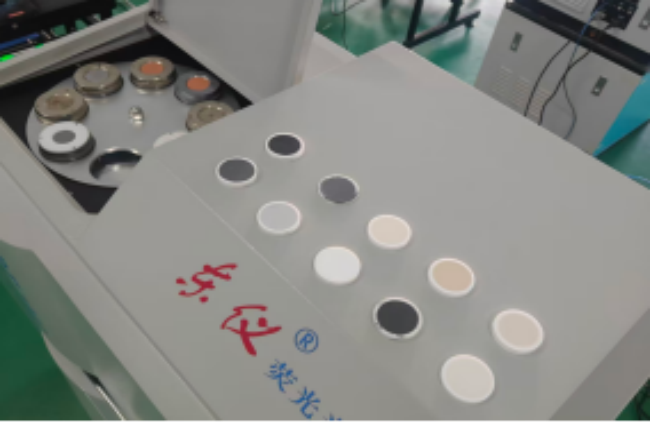
4. Applicable Scope
This method suits pulverized minerals, ores, rocks, slags, cement, ceramics and glass; metal filings, turnings and drill cuttings; various metal oxides; precipitates/residues from solutions; soil and stream sediments; ashed, dried or lyophilized organic and biological materials; intermediate alloys and pulverized fusion products, all of which can be pressed into pellets for XRF testing after appropriate pretreatment.
5. Summary of Pellet Pressing Method
Advantages: Simple operation, fast preparation and low cost.
Disadvantages: Fluorescence intensity of elements is strongly affected by particle size and pressing pressure, requiring strict consistency across all preparation steps. The original chemical structure of samples is retained, leading to severe mineral effect interference.
Application Scenario: Suitable for routine analysis of materials from identical mineral sources or production processes where high accuracy is not mandatory.
II. Fusion Bead Sample Preparation
1. Sample Preparation Workflow
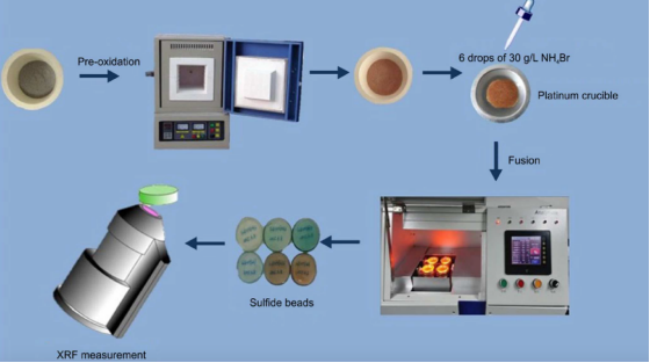
2. Sample Pretreatment
2.1Dry samples at 105–110 °C to remove moisture.
2.2If necessary, ignite samples at 500–750 °C to decompose organic matter or pre-oxidize reducing components (sulfides, ferrous iron).
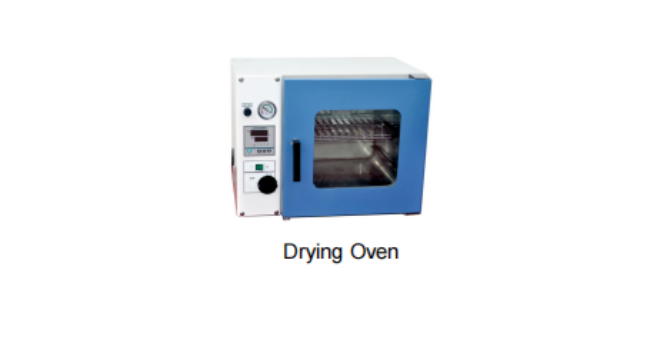
2.3Grind samples to particle size <75 μm (200 mesh) to ensure homogeneity. Drying ovens are typically used for moisture removal.
3. Weighing and Mixing
Accurately weigh samples and flux at a dilution ratio of 1:10 (sample : flux). A mixed flux of lithium tetraborate + lithium metaborate (67% + 33%) is used as the cosolvent.
4. Loading into Crucible
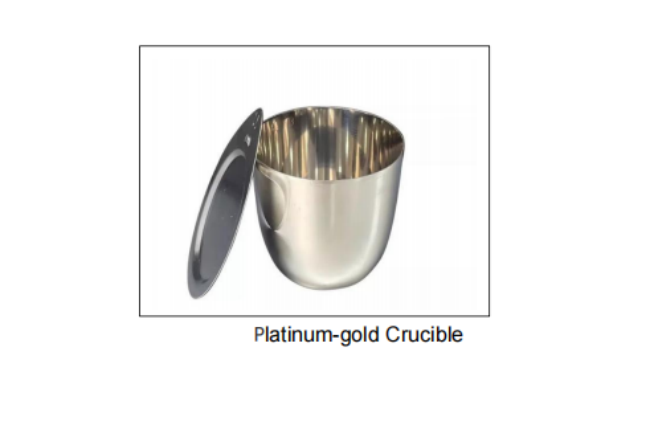
Transfer the sample-flux mixture into a platinum-gold crucible and shake gently to spread the powder evenly.
5. High-Temperature Fusion
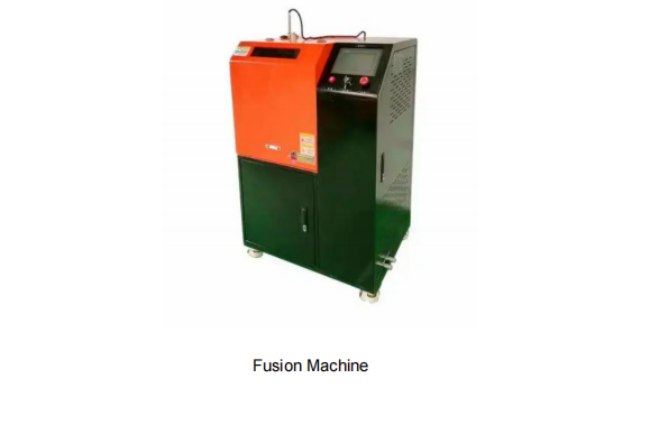
5.1 Automatic Fusion Instrument
Place the crucible into an automatic fusion instrument; perform primary fusion at 1050 °C with rocking homogenization to eliminate bubbles and achieve full sample uniformity. The total fusion duration ranges from 780 s to 960 s. Automatic fusion instruments carry a high purchase cost.
5.2 Alternative: Muffle Furnace
A muffle furnace operated at 1100 °C can replace automatic fusion equipment, with a total processing time of approximately 1 hour and a much lower equipment cost.
6. Casting and Cooling
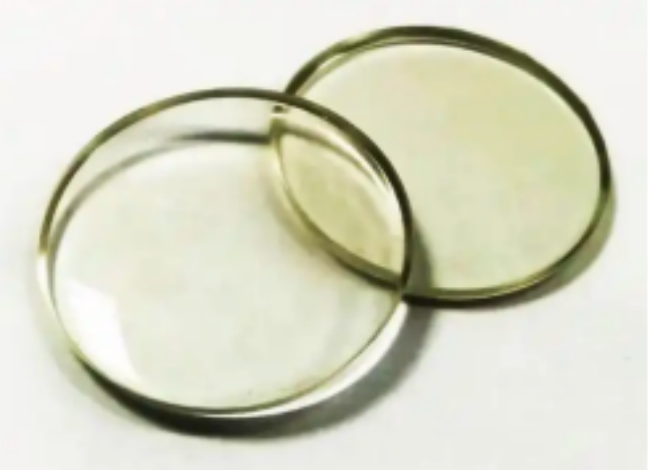
Cease rocking at the end of fusion, tilt the crucible to pour molten liquid into a preheated mold (or form beads directly inside the crucible). Cool rapidly via air cooling or natural cooling immediately to avoid crystallization, forming transparent glass beads, then demold and inspect the finished beads.
7. Critical Notes for Fusion Preparation
Certain substances corrode platinum-gold crucibles at high temperatures, including graphite, sulfides and elemental metals (reducing species). Samples containing these components must undergo thorough pre-oxidation before fusion.
Typical corrosive samples: graphite-bearing materials, magnesia-carbon bricks, carbon-containing specimens, silicon carbide, sulfide ores, copper concentrates, iron ores with iron sulfide, industrial silicon.
8.Summary of Fusion Bead Method
Advantages:
1. Eliminates particle size effect and mineral effect of powder samples, significantly improving analytical accuracy.
2. Sample dilution by flux reduces matrix absorption-enhancement effects between elements.
3. Low sample consumption (only ~0.1–0.5 g required).
4. No strict restrictions on raw sample particle size.
5. Fusion glass beads can be stored for long-term re-testing.
Disadvantages
1. Complex multi-step preparation and high operational cost.
2. Volatilization of certain elements (F, S) during high-temperature fusion.
3. Sample dilution by flux lowers detection sensitivity for trace components.



 Sales Line: +86 18660008769
 Email: dongfang@dfaic.com
 Add:No. 28 Chuangxin Road, High-tech Zone, Yantai City, Shandong Province


